
The focus on men’s health increasingly includes understanding how lifestyle choices impact reproductive health. One often overlooked aspect is how smoking and alcohol consumption affect sperm quality. Let’s explore this further to understand the science behind these effects.
Understanding the nuances of reproductive health and the influences of external habits is crucial. This article delves into how smoking and alcohol could potentially compromise sperm health and what can be done to support better outcomes.
Understanding Sperm Quality and Male Fertility
Quality of sperm is a key indicator of male fertility, often evaluated based on count, motility, and morphology. Healthy sperm improves the chances of successful conception. Smoking and excessive alcohol intake are known to affect these parameters adversely, leading to potential fertility challenges.
The Science Behind Smoking’s Effect on Sperm Quality
Cigarette smoke contains toxins such as nicotine, carbon monoxide, and lead, which can lead to oxidative stress. This occurs when free radicals damage sperm cells, impairing their motility and increasing DNA fragmentation rates. These changes may contribute to reduced fertility as damaged sperm are less effective at fertilization.
Alcohol Consumption and Its Impact on Sperm Health
Alcohol, when consumed in excess, can affect the endocrine system, reducing testosterone levels and impairing sperm production. It influences spermatogenesis, potentially leading to decreased sperm count and altered morphology. Furthermore, alcohol can affect the liver’s ability to clear toxins, which adds to oxidative stress affecting sperm health.
Best Practices to Support Sperm Quality
- Limit or cease smoking and alcohol consumption to reduce exposure to harmful toxins.
- Eat a balanced diet rich in antioxidants like vitamins C and E, which combat oxidative stress.
- Engage in regular physical activity to enhance overall health and circulation.
- Ensure adequate hydration to support bodily functions and toxin elimination.
- Consider nutritional supplements designed to support male reproductive health.
Lifestyle Factors for Improved Sperm Health
Healthy lifestyle choices, such as maintaining a balanced diet, regular exercise, and sufficient sleep, are essential for improving sperm quality. Managing stress, perhaps through mindfulness or yoga, and staying hydrated further enhances these efforts. Together, these factors contribute to a healthier hormone profile and improved sperm parameters.
Herbal Wellness Support with FARQ Herbal
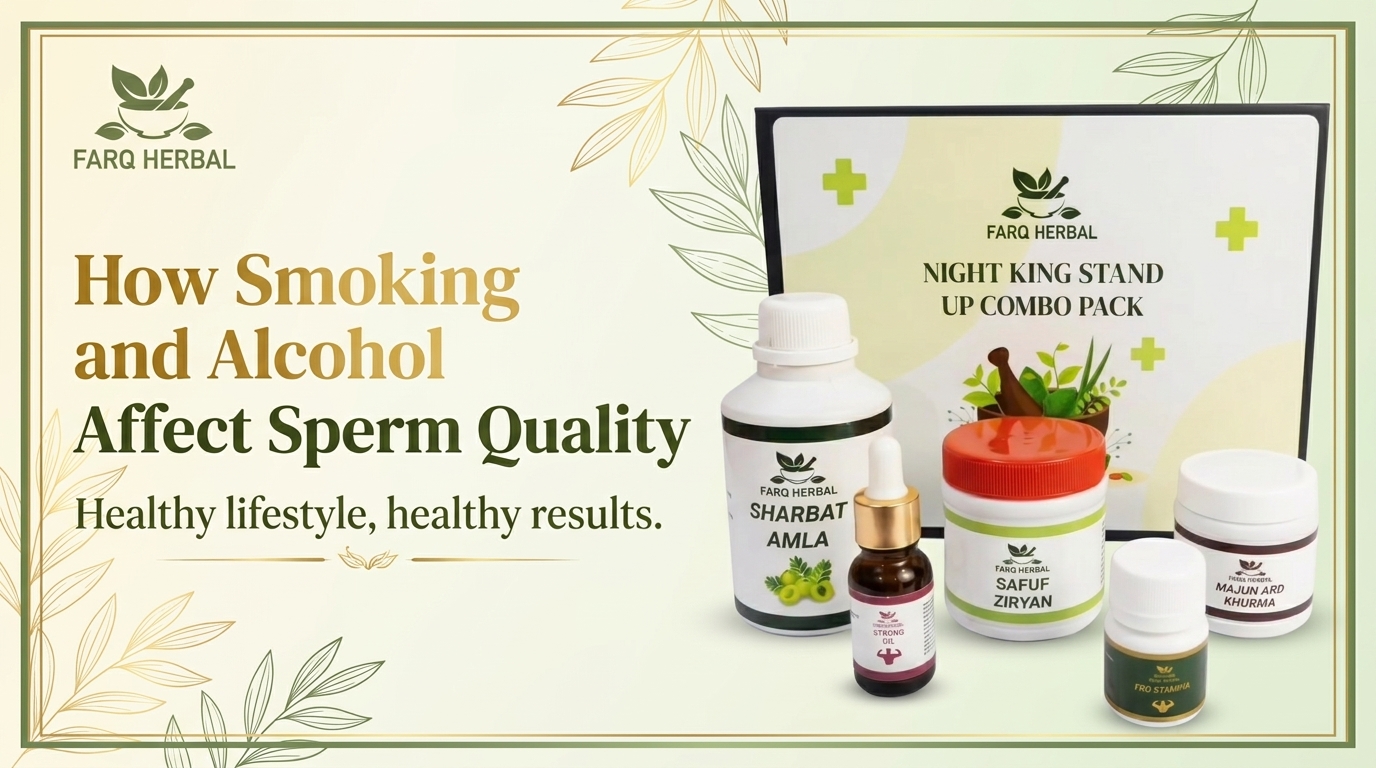
Combining lifestyle habits with herbal wellness may provide additional support for men’s health. The FARQ Herbal Night King Stand Up Combo Pack is designed to support men’s stamina, energy, confidence, and overall wellness as part of a healthy lifestyle routine. Products from FARQ Herbal can be a beneficial component of an approach focused on enhancing male vitality.
When Should You Consult a Professional?
Experiencing consistent reproductive health issues despite lifestyle changes warrants professional consultation. A healthcare provider can offer comprehensive evaluation and guidance tailored to individual needs. Conditions like persistent low sperm count or unusual sperm morphology need to be medically assessed for appropriate interventions.
Final Thoughts
Understanding and mitigating the impact of smoking and alcohol on sperm quality can significantly aid in safeguarding reproductive health. Prioritizing healthier habits and considering additional support from resources like the FARQ Herbal Night King Stand Up Combo Pack can be integral. Taking these steps is essential on the path to improved reproductive wellness.
FAQs
Can smoking permanently damage sperm quality?
Long-term smoking may lead to sustained damage over time. Reducing or eliminating smoking can gradually improve sperm quality.
Does alcohol affect male fertility immediately?
Excessive alcohol consumption can disrupt hormone levels and sperm production, leading to immediate and longer-term fertility concerns.
What is the role of antioxidants in sperm health?
Antioxidants neutralize free radicals, reducing oxidative stress that can harm sperm. This supports improved motility and reduced DNA fragmentation.
How soon can lifestyle changes affect sperm quality?
Significant improvements often begin within three months, as that’s the typical time for full spermatogenesis. Continued healthy habits can sustain these benefits.
What should I do if lifestyle changes don’t improve sperm health?
Consulting a healthcare professional can provide insights into underlying causes and guide specific interventions tailored to your situation.
This content is for educational purposes only and is not a substitute for professional medical advice. If you have ongoing symptoms or health concerns, consult a qualified healthcare professional.