
Boosting stamina naturally is a key component of a healthy and active lifestyle. In a fast-paced world, maintaining high levels of energy and endurance can significantly enhance your day-to-day performance and overall well-being.
In this guide, we’ll explore effective daily habits that help boost stamina and support your vitality, providing you with practical, science-backed steps to a more energetic lifestyle.
The Science Behind Stamina: How Our Bodies Generate Energy
Our stamina is directly linked to how efficiently our bodies generate and utilize energy. ATP (adenosine triphosphate) is the energy currency of our cells, produced through the biochemical process known as cellular respiration. This complex process makes the energy available for physical activities.
Macronutrients from our diet serve as the primary fuel for this process. Carbohydrates, fats, and proteins are metabolized in our muscles and liver, contributing to ATP production. Ensuring an optimal balance of these nutrients can support sustained energy release, enhancing stamina.
Best Foods to Boost Stamina Naturally
Integrating nutrient-dense foods into your diet is essential for boosting stamina naturally. Here are some food suggestions:
- Complex Carbohydrates: Whole grains like brown rice and oats provide sustained energy.
- Healthy Fats: Avocados and nuts support endurance.
- Lean Proteins: Chicken and legumes build and repair muscles.
- Hydrating Fruits and Vegetables: Watermelon and spinach contribute to hydration and overall health.
Herbal Wellness Support
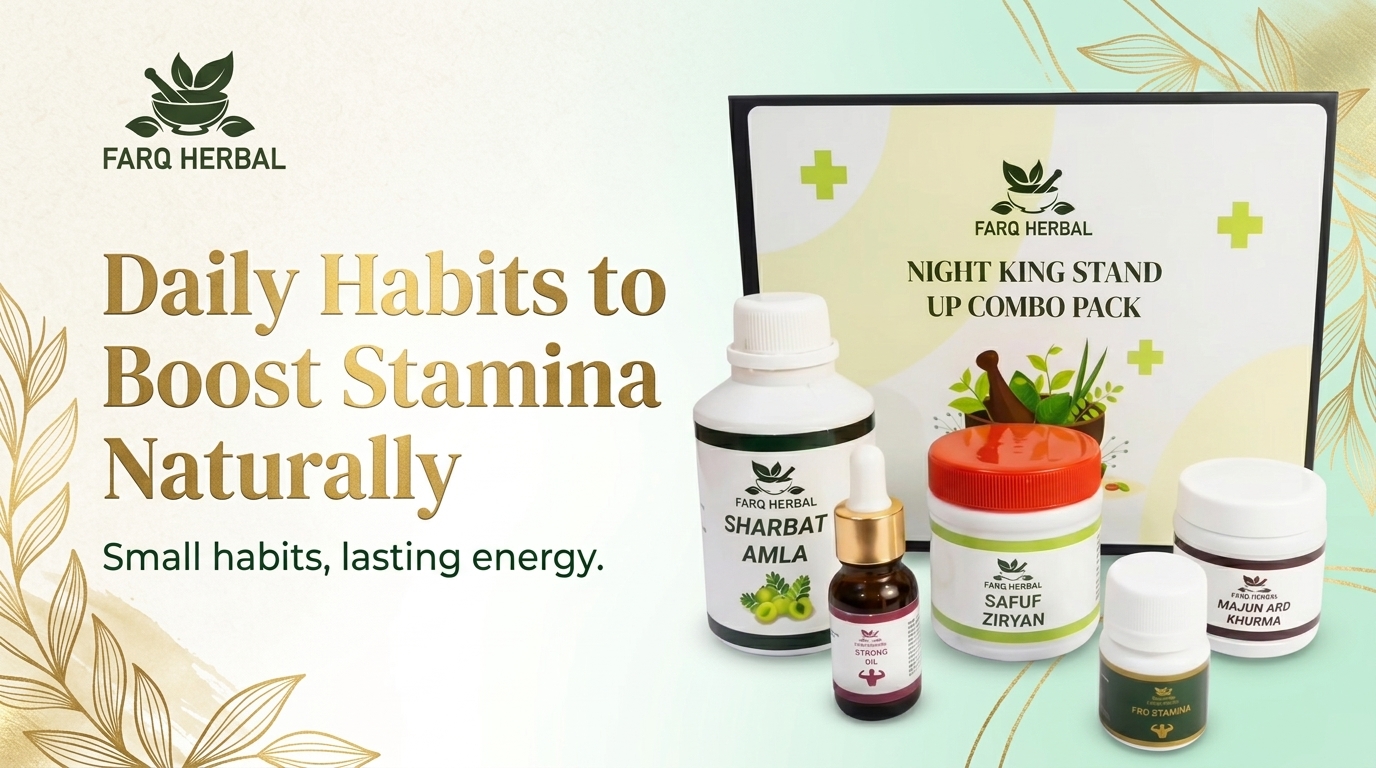
For those seeking additional support, the FARQ Herbal Night King Stand Up Combo Pack is designed to support men’s stamina, energy, confidence, and overall wellness as part of a healthy lifestyle routine. It combines herbs traditionally used to support energy levels and vitality.
Practical Daily Routine for Boosting Stamina
- Start with a Balanced Breakfast: Include protein and whole grains for lasting energy.
- Stay Hydrated: Drink at least 8-10 cups of water daily to facilitate bodily functions and prevent fatigue.
- Engage in Regular Exercise: A combination of cardiovascular, strength training, and flexibility exercises boosts endurance.
- Get Adequate Sleep: Aim for 7-9 hours of sleep to allow your body to recover and replenish energy reserves.
- Manage Stress Wisely: Incorporate relaxation techniques like meditation and yoga.
When Should You Consult a Professional?
While lifestyle changes can significantly improve stamina, some persistent energy concerns may indicate underlying issues. It’s advisable to consult a healthcare professional if you experience:
- Chronic fatigue or lack of motivation affecting daily tasks
- Sudden changes in stamina without clear cause
- Increased need for sleep or difficulty concentrating
Final Thoughts
Incorporating these daily habits can play a significant role in boosting your stamina and supporting overall wellness. For enhanced benefits, consider integrating products like the FARQ Herbal Night King Stand Up Combo Pack into your routine. For more natural wellness solutions, visit FARQ Herbal.
FAQs
How long does it take to see improvements in stamina?
With consistent lifestyle changes, improvements in stamina may be noticed in about 2-4 weeks.
Are there any risks associated with increasing protein intake for stamina?
While protein is important, excessive intake can strain the kidneys. Balance is key—consult a professional before making significant dietary changes.
Can hydration really affect energy levels?
Yes, dehydration can lead to fatigue, decreased alertness, and reduced physical performance.
Is it okay to consume energy drinks for stamina boosts?
Energy drinks can provide short-term boosts but may lead to crashes. Natural foods and adequate rest are better long-term strategies.
What role does mental health play in physical stamina?
Mental health significantly influences physical energy. Stress and anxiety can deplete stamina, so mental wellness is crucial.
This content is for educational purposes only and is not a substitute for professional medical advice. If you have ongoing symptoms or health concerns, consult a qualified healthcare professional.